What is live futures day trading and how do traders actually make it work
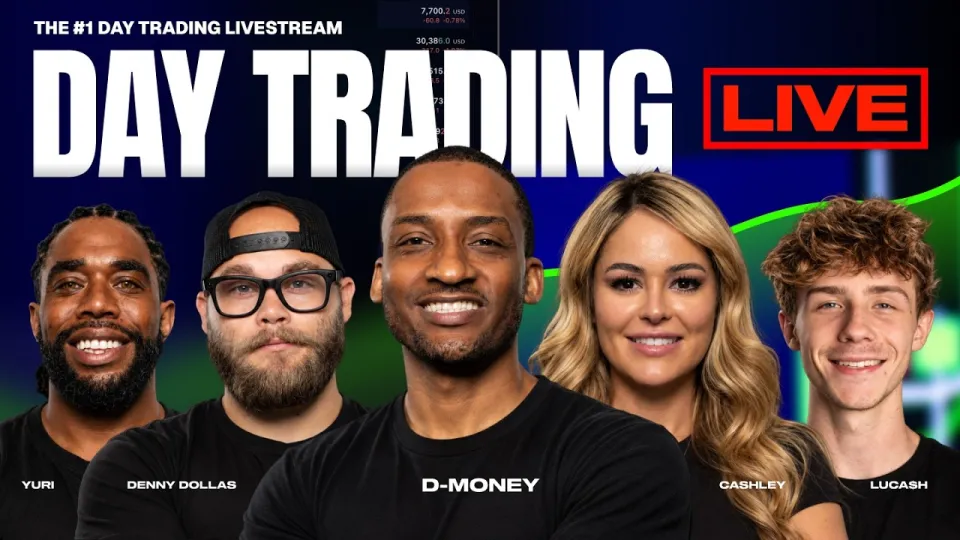
Video: LIVE DayTrading! #1 Watched Futures Trading Show!
You can order the same kind of articles for your own video to boost it on YouTube and Google. Just message the Telegram bot @sat_sit_bot. It writes articles around your video, embeds the video and publishes them on popular niche websites (no ads). Try it free: 50 articles on us.
· based on the channel Patrick Wieland
Live futures day trading is trading futures contracts in real time while the session is streamed, so entries, exits, sizing and reasoning are visible as they happen rather than explained after the close. It is not a different market or a different instrument, it is the same CME-listed futures people trade every day, just executed and narrated live. What makes the format useful is that it removes hindsight: you see the trade before the outcome is known, including the losses.
The best-known example in the futures niche is the BDH Day Trading floor run by Patrick Wieland, streamed live every trading day from South Florida and California under the banner of the most-watched futures trading show on YouTube. The room mixes real-time futures trading, market analysis, giveaways, prop firm reviews and discount codes, with a rotating crew of traders rather than a single voice.
What live futures day trading actually is
Live futures day trading means opening and closing futures positions within the same session while an audience watches the order flow, the chart and the commentary in real time. Futures are standardized contracts tied to an index, commodity or currency, and day traders in this niche typically work the most liquid ones: the E-mini and Micro E-mini S&P 500 (ES and MES), Nasdaq 100 (NQ and MNQ), Dow (YM and MYM) and Russell (RTY), plus gold (GC) and crude oil (CL) when volatility warrants it.
Three things separate a live stream from a recorded tutorial:
- The trade is called before the result is known, so the reasoning has to hold up without the benefit of hindsight.
- Position size is constrained by real rules, usually a prop firm's daily loss limit and trailing drawdown, not by what looks good on a chart.
- The session is continuous, so you also watch the boring parts: waiting, skipping setups, and managing a trade that goes nowhere.
That last point is the part most beginners underestimate. A large share of a live futures session is screen time with no order placed, which is itself the lesson.
How the BDH stream is structured
The BDH stream runs live every trading day and is built as a floor rather than a solo broadcast, with four named traders covering the session. Patrick Wieland trades under the handles PW and Daddy Warbux and is the anchor of the show; Damareous Young trades as DMoney; Lucas Kennard as Lucashhh; and Denny Jones as Denny Dollas. Having several traders on one stream means viewers see more than one style of execution in the same market conditions.
Beyond the trading itself, the stream functions as a hub for the prop firm ecosystem. It publishes a ranked list of firms, currently led by Lucid Trading, followed by TakeProfitTrader and Apex Trader Funding, with Tradeify, Legends Trading, BluSky Trading, TradeDay and MyFundedFutures filling out the rest. Each entry comes with a referral link and discount, and the companion site OnlyPropFirms.com aggregates reviews, account comparisons and firm news. There is also a paid two-hour course priced at $99 that covers the strategy traded on stream.
Why prop firms dominate live futures trading
Prop firm funding dominates live futures streaming because it lets a trader control size far beyond their own account balance while capping the downside at a fixed evaluation fee. In a funded account model, a trader pays for an evaluation, hits a profit target without breaching the loss rules, and then trades the firm's capital for a profit split, typically keeping the majority of gains.
The rules that matter most in practice are the same ones that show up on stream every day:
- Daily loss limit — the maximum you can lose in a single session before the account is locked for the day.
- Trailing or static drawdown — the floor that rises with your profits (trailing) or stays fixed (static), and the single most common reason evaluations fail.
- Consistency rules — some firms cap how much of your total profit can come from one trading day.
- Payout thresholds — the minimum number of winning days and profit required before you can withdraw.
Because these constraints are public, watching a funded trader live tells you something a screenshot never can: how a position is sized when a single bad trade could end the account. That is the practical value of the format for anyone evaluating a firm or a strategy.
Common questions from live viewers
The two questions that come up most in the chat are which setup is being traded right now and where that setup can be learned. Both are reasonable, and both have the same answer: the stream shows the execution, but the framework behind it is taught separately, which is why the channel sells a two-hour course rather than trying to explain the full method between trades.
A few practical points for anyone watching live futures streams:
- Note the instrument and the session time, not just the direction. The same setup behaves differently in the London open versus the New York afternoon.
- Watch the stop placement relative to the daily loss limit. A stop that is technically correct but too wide for the account is not a usable trade.
- Track how many setups are skipped. Selectivity is usually the difference between a funded trader and a blown evaluation.
- Treat every referral link as marketing. Discounts are real, but the ranking reflects affiliate relationships as well as performance.
Risk, expectations and what the format cannot do
Live futures day trading carries substantial risk, and no stream changes that. Futures are leveraged, a single contract can move hundreds of dollars in minutes, and past performance on stream does not predict future results. The channel's own disclaimer states the content is educational and entertainment only, that affiliate links may generate commissions, and that viewers should do their own research before buying an evaluation or placing a trade.
It is also worth being clear about what a live stream does not give you. It does not give you the trader's full playbook, it does not show the trades taken off stream, and it does not transfer discipline. What it does give you is a realistic picture of pace, hesitation, missed entries and rule management under pressure, which is genuinely hard to get anywhere else. Used as a study aid alongside your own journal and demo account, a daily futures stream is one of the cheapest ways to see professional execution up close.
The bottom line on live futures day trading
Live futures day trading is best understood as a public trading floor: real positions, real prop firm constraints, and commentary delivered before the outcome is known. The BDH stream, hosted by Patrick Wieland and his crew, is the most-watched example in the niche and doubles as a directory of prop firms, discounts and a paid strategy course. If you watch it, watch for process rather than signals, and check every firm's drawdown and consistency rules before you pay for an evaluation. The channel Patrick Wieland runs is a useful starting point for understanding how funded futures traders actually operate, provided you keep the risk disclaimer in front of you at all times.
Key takeaways
- Live futures day trading is real-time trading of index and commodity futures contracts on stream, with entries, exits and commentary shown as they happen.
- Most streamed futures accounts are funded through prop firms, not personal capital, which is why firm rules drive position sizing.
- Patrick Wieland's BDH stream runs every trading day with a four-person crew: Patrick Wieland, Damareous Young, Lucas Kennard and Denny Jones.
- The stream's prop firm ranking lists Lucid Trading first, TakeProfitTrader second and Apex Trader Funding third.
- Viewers most often ask which setup is being traded and where to learn it, which is why a paid strategy course exists alongside the free stream.
Source: LIVE DayTrading! #1 Watched Futures Trading Show! · Markdown version
Questions & answers
What setup is being traded on a live futures stream?
Streams usually trade a small number of repeatable intraday patterns rather than one secret setup, and the exact rules are often taught in a separate course. What you can reliably read from the screen is the instrument, the session timing, the entry trigger and where the stop sits relative to the daily loss limit. If you want the full framework, expect to learn it outside the free broadcast.
Where can a beginner learn the strategy shown on stream?
The channel behind the BDH stream sells a two-hour course for $99 that covers the strategy traded live, and the companion site OnlyPropFirms.com hosts firm reviews and comparisons. Free alternatives include replaying stream sessions, journaling every entry you see, and testing the same logic on a demo account. No course replaces screen time.
Do you need a prop firm account to day trade futures live?
No, but prop firm funding is why most streamed accounts trade size far above a typical retail balance. A funded account caps your downside at the evaluation fee while giving you access to the firm's capital and a profit split. The trade-off is strict daily loss, drawdown and consistency rules that can end an account quickly.
Is watching a live trading stream actually useful for improving?
It is useful if you watch for process instead of signals: how positions are sized, how many setups get skipped, and how a trader reacts when a trade goes against them. It is not useful if you copy entries without understanding the risk rules behind them. Combine the stream with your own journal and demo execution, and treat every affiliate link as marketing.